Quality means offering our customers innovative products that fully meet their expectations.
When it comes to quality, we take special care. In addition to internal quality control, Coopginger maintains organization and direct oversight of its producers through internal standards that ensure strict compliance with defined quality requirements. The cooperative operates with continuous guidance and support, always aligned with our customers’ expectations.
This is Coopginger — expanding and delivering high-quality products to consumers’ tables.
As family farmers, we are committed to consistently delivering products that meet the highest standards, from planting and crop management to harvesting. With each new season, we adapt and learn more to ensure our customers receive the best product on the market.
All carried out with great dedication, passion, and care.
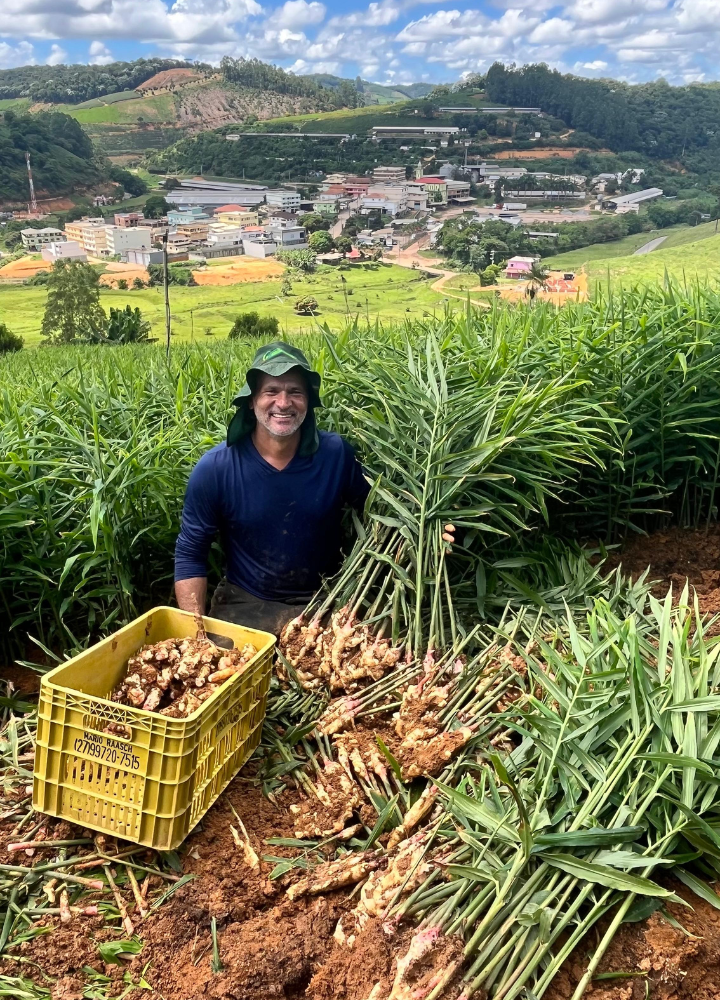
COOPGINGER GINGER
Ginger is a root of Asian origin that has been consumed for over three thousand years. According to history, it was one of the first spices to reach the Mediterranean, likely introduced by the Phoenicians. By the 1st century BC, ginger was already used in Rome to season meat and poultry dishes.
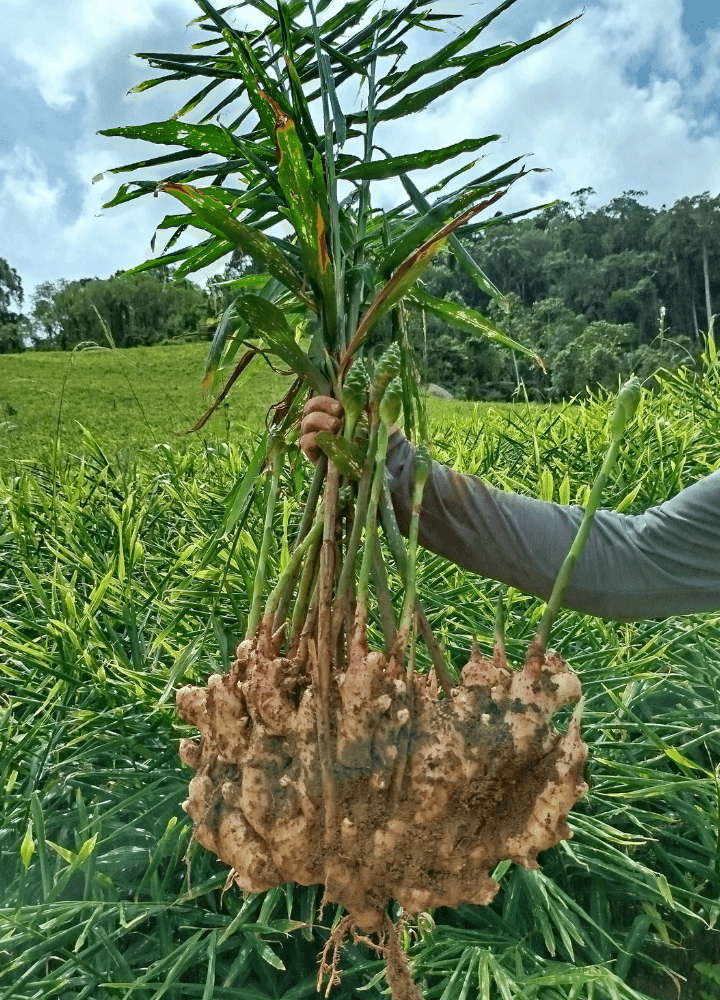
In Brazil, ginger was introduced by the Portuguese around the 16th century. The English botanist William Roscoe gave the plant its scientific name, Zingiber officinale. The plant can grow up to 1 meter tall, with dark green leaves, a thick underground stem, and tubular flowers. Its medicinal properties have been known for thousands of years. In Brazil, ginger is cultivated in the mountain region of Espírito Santo, as well as in Santa Catarina, Paraná, and southern São Paulo, where climate and soil conditions are ideal for production.
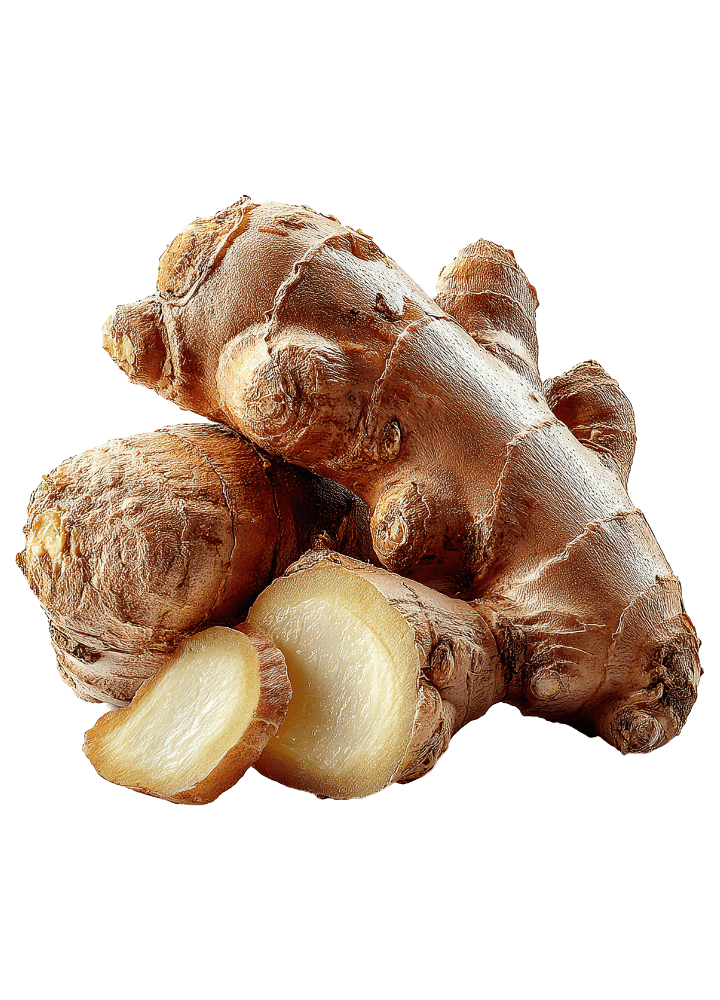
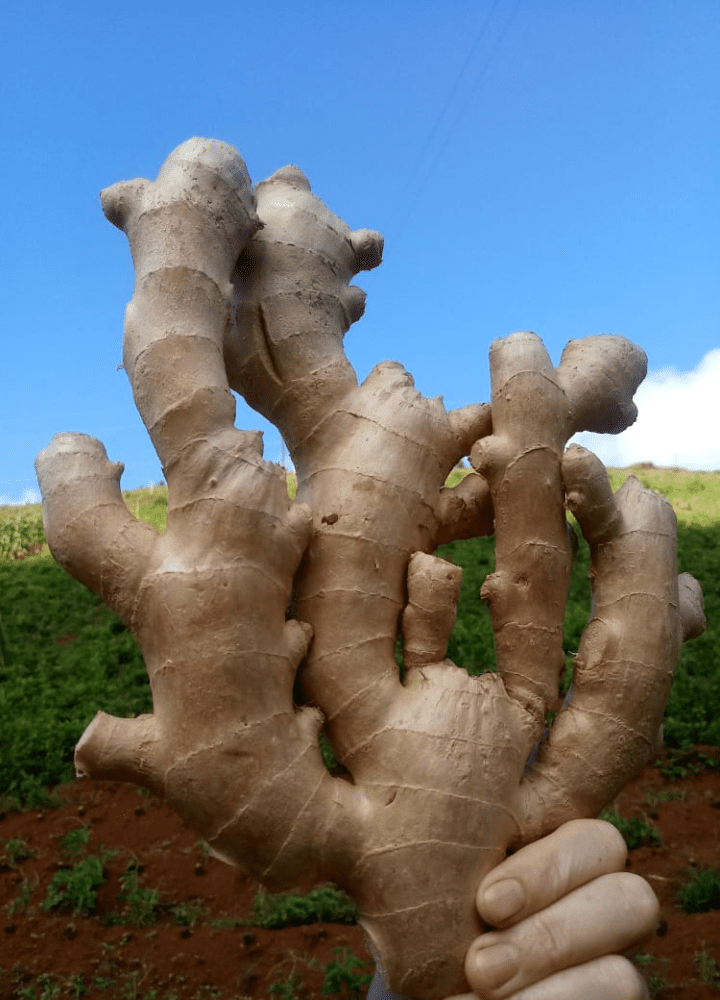
Ginger is a rhizome root that can be used in a wide variety of preparations.
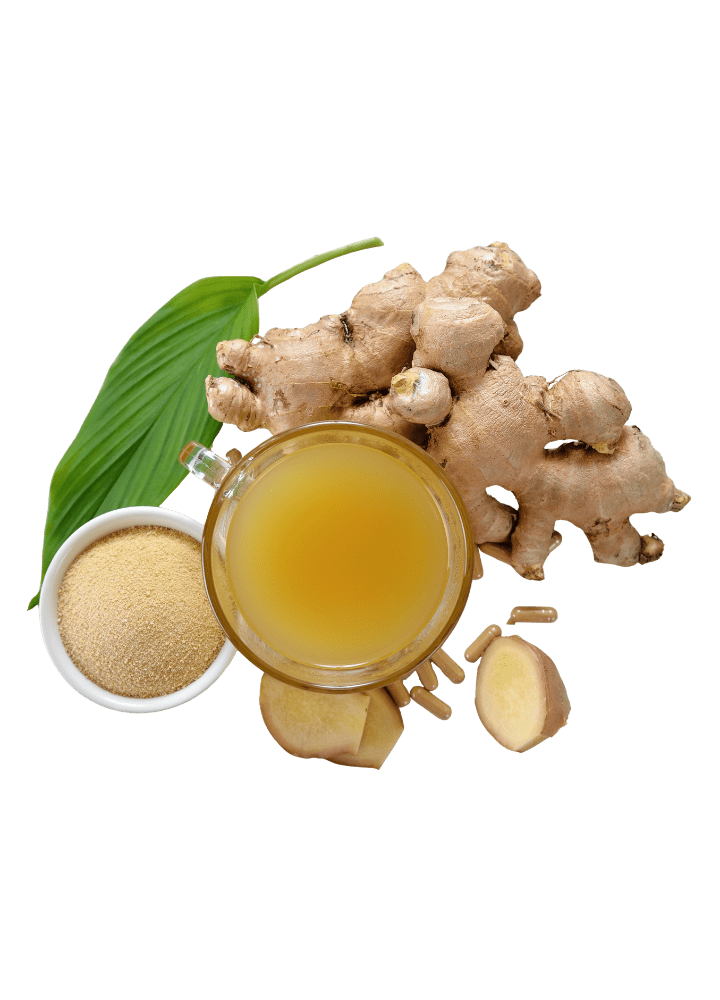
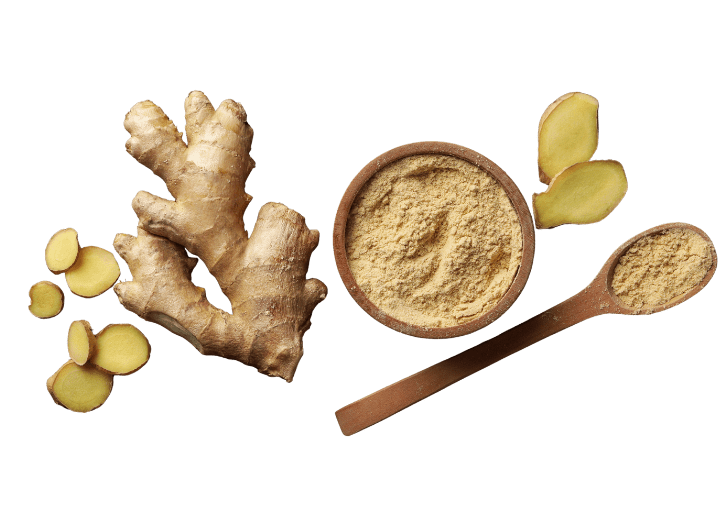
Its underground stem, with a strong and spicy flavor, has been used since ancient times both as a culinary spice and in medicinal preparations. In cooking, it can be used fresh, pickled, or dried to add a distinctive flavor to both savory and sweet dishes. It can also be used in powdered, crystallized, or other forms.
Dried ginger is more aromatic and has a milder flavor.
Fresh ginger is widely used in countries such as China, Japan, Indonesia, India, and Thailand.
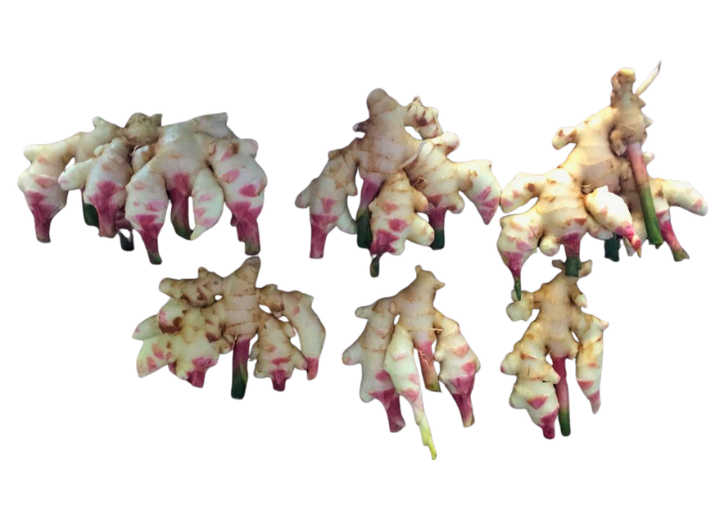
Ginger maturation typically begins around May. However, with the production of baby ginger — harvested between January and May — it is now possible to have supply throughout the year.
Baby ginger, harvested before full maturity, is widely used in Asian cuisine, especially for making pickled ginger, known as gari.
Ginger’s properties support the immune, digestive, and gastrointestinal systems. It acts as a natural anti-inflammatory and analgesic, and may also help protect against degenerative and rheumatic conditions such as osteoarthritis, arthritis, and fibromyalgia.
Some Benefits of Ginger:
- Diuretic
- Analgesic
- Antipyretic
- Antioxidant
- Thermogenic
- Hepatoprotective
- Anti-inflammatory
- Antimicrobial and antifungal
- Helps reduce and control blood sugar and cholesterol levels
- Helps combat gastrointestinal issues
- Supports skin rejuvenation and strengthens hair